
The soil type in Georgia and Macon is the ultisols, which is the redder clay because Georgia is known for its deep dark red clay. Georgia clay is heavy, nutrient-rich and retains moisture during wet periods. During dry weather, it turns hard as a rock, making it difficult to work with. This heavy nature makes it hard for many plants to send down roots, while some simply rot due to lack of drainage. Gardeners combat this problem by adding organic matter and tilling it in deeply. Plants suitable for high clay content soils include daylilies, Chinese elm, cypress trees, willow trees and poplar trees.

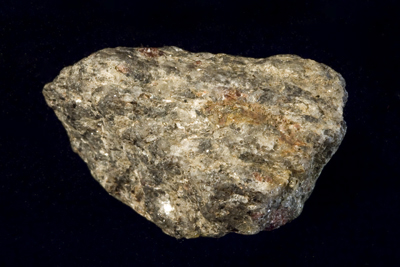
A specific rock, the Micaceous Shist is a metamorphic rock. A schist is defined as “a metamorphic crystalline rock that has a
closely foliated structure and can be split along approximately parallel
planes.” In layman terms, this means it is made up of many layers and
if this rock is struck it will break along a particular cleavage; thus
the word schist.
These layers under high heat and pressure were compressed and metamorphosed into a single solid rock.s derived from the Greek word meaning ‘to split’. The individual flakes of mica within the schist are visible to the naked
eye. They are the reason for the rock’s sparkling and reflective
surface. These bits of mica can also be easily flaked off the rock.

No comments:
Post a Comment